
Who we are
An education led by Adivasis, rooted in who we are
Vidyodaya did not begin as a service to the community. It began as a demand from within it, for schooling that honours who our children already are.
Our story
How It Began
All four communities VBVT works with (Bettakurumba, Kattunayakan, Mullakurumba and Paniya) are recognised by the Government of India as Particularly Vulnerable Tribal Groups (PVTGs), living along the forest fringes of the Nilgiris Biosphere Reserve and Mudumalai Tiger Reserve.
Through the 1980s, forest regulations disrupted Adivasi life and cultural practices. Access that communities had relied on for generations was curtailed almost overnight. Schools had little space for Adivasi languages, culture, or ways of learning. As first-generation learners, many Adivasi children struggled to even enter and stay in school, and many community members felt isolated from the mainstream, unwilling to participate.
Schools make our children feel small; they sit quietly, afraid to speak. They start believing they are inferior.
In 1988, Adivasi communities across Gudalur came together to form the Adivasi Munnetra Sangam (AMS), a federation giving the four communities a collective voice. It was from this foundation that, seven years later, the demand for an Adivasi-owned school took shape.
In 1995, a mahasabha of 200 Adivasi leaders called for a culturally appropriate and nurturing learning system. In response, VBVT set up a school with a mission to recognise and value Adivasi culture and languages. Over the years, the community faced a multitude of issues around their children’s education, from low enrolment to the lack of inclusive learning spaces.
A 1999 survey found just 25% of school-age Adivasi children enrolled in school, and literacy at 27%, just 17% among women.
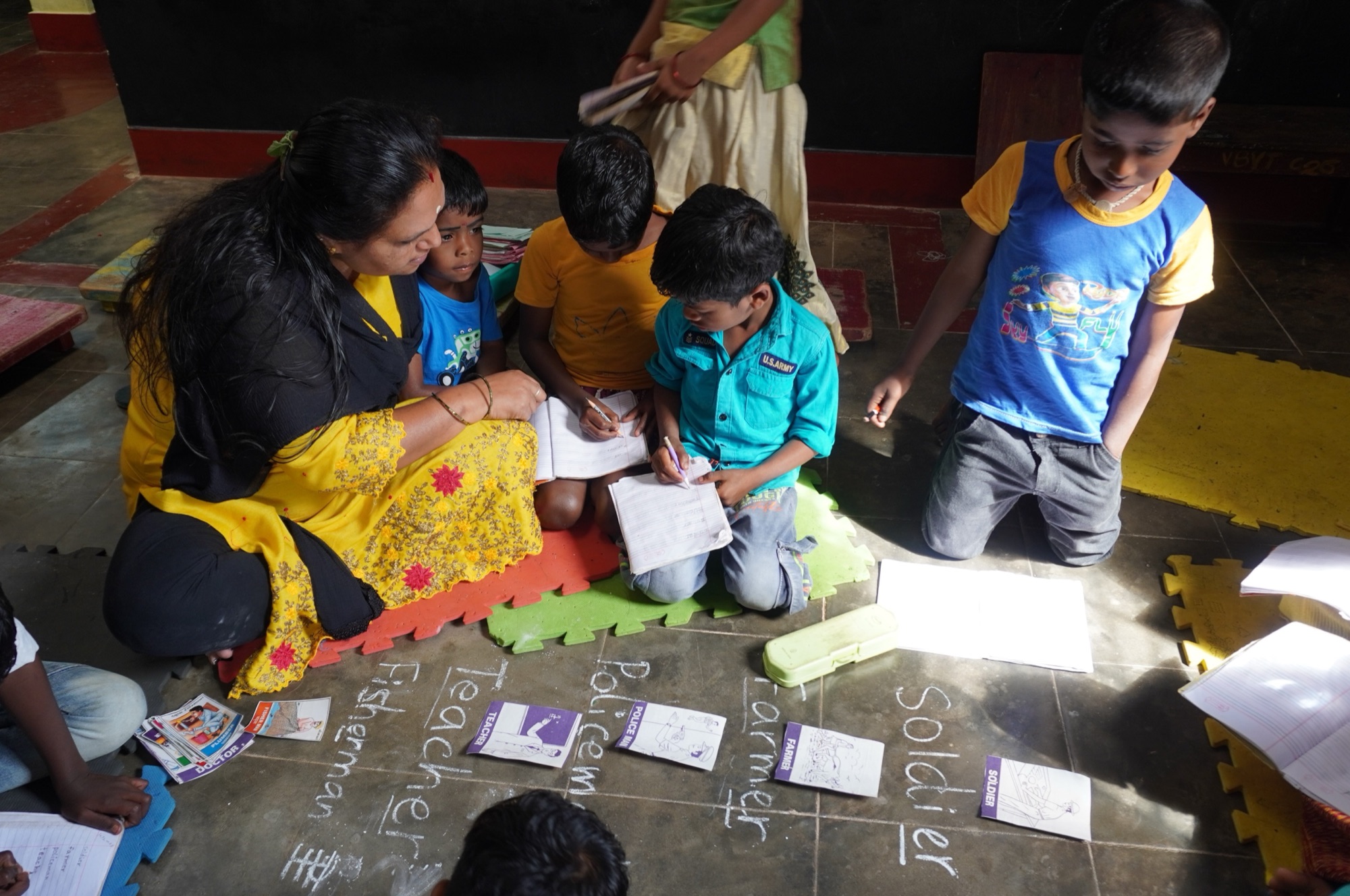
VBVT has tried to address these with interventions ranging from the Vidyodaya Adivasi School to village-based learning initiatives, including camps, study centres and early childhood education centres. Members of the community play an integral role in the decision-making and implementation across all these programmes.
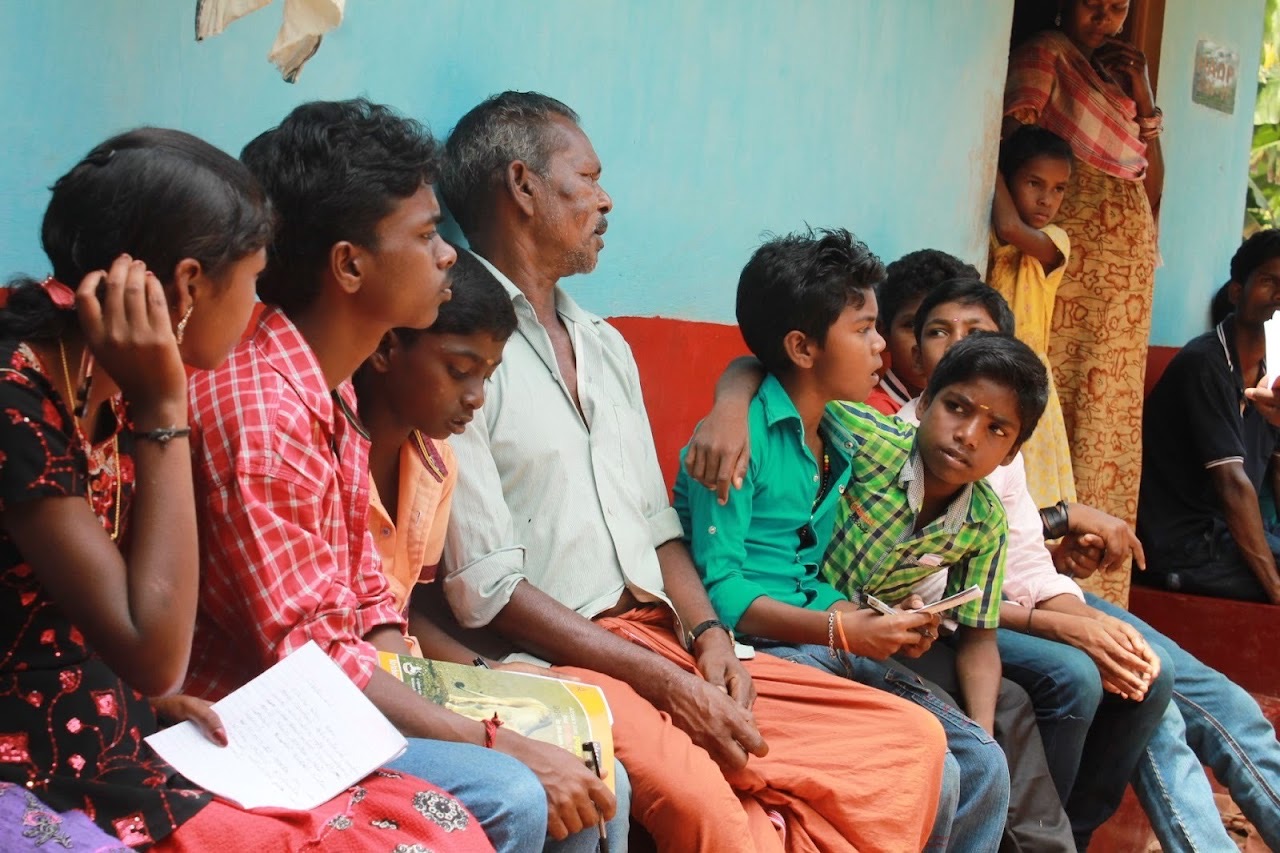
This is because it is the community that faces the problem, and so the community must also be actively involved in formulating the solution. The decisions that shape VBVT’s work come from the ground, with the organisation providing the necessary support. Only what the community itself sees and accepts as a solution is taken up, not what an outside perspective dictates.
That belief reshaped everything. Adivasi teachers came to lead the classrooms, training began soon after to prepare more of them, elders and parents were welcomed in to teach and to watch, and over the years the trust’s own board grew to be made up primarily of Adivasi representatives. The people the school serves became the people who run it.
Three decades on, the work is about an education that strengthens a child’s roots in their language, culture and the forest, rather than pulling them away.
Who we walk with
Four communities, one valley
-
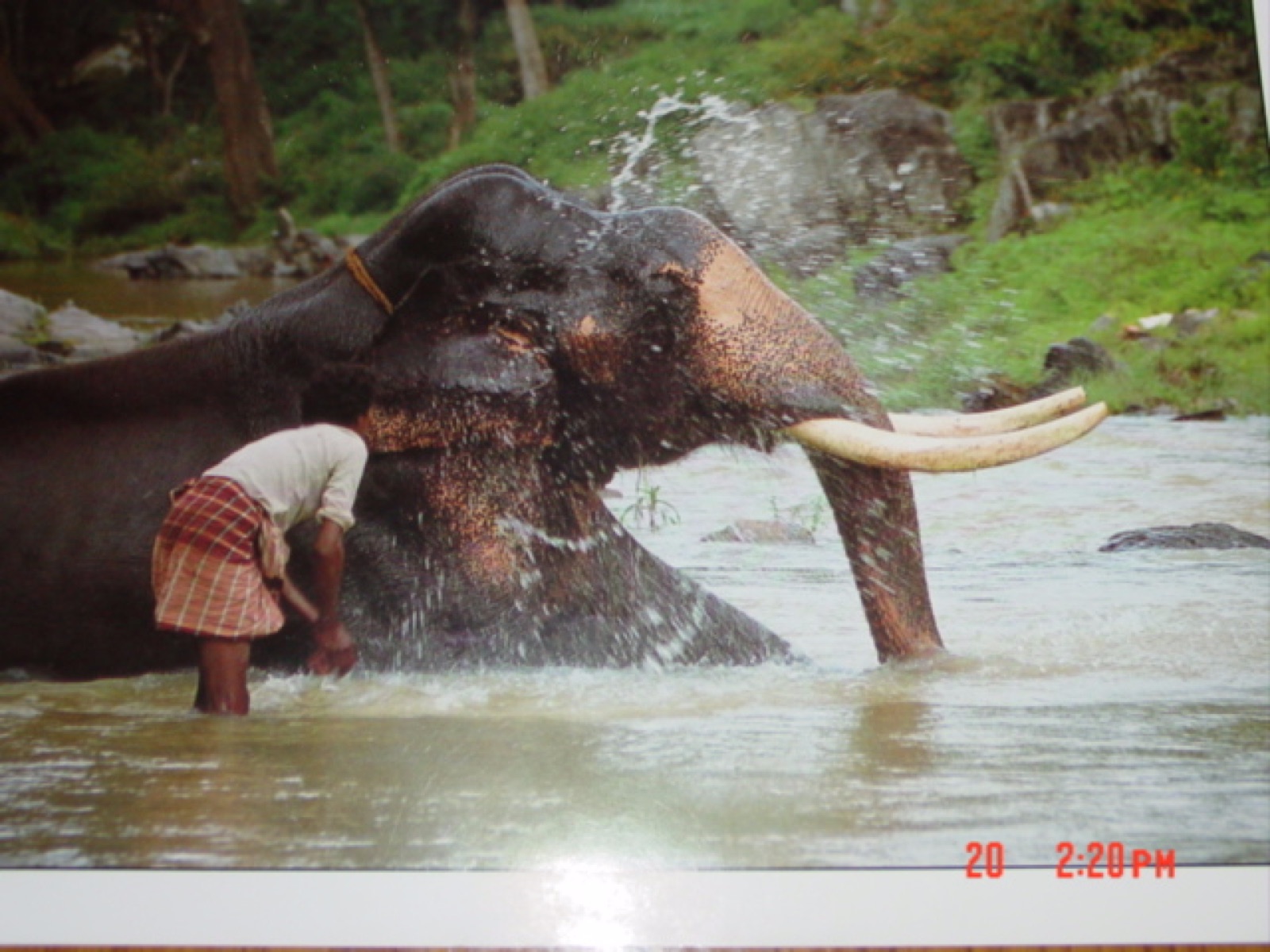
Bettakurumba
Traditionally forest gatherers practising shifting cultivation, many Bettakurumba families today work in plantation labour and as elephant mahouts, as access to forest land became increasingly restricted.
-
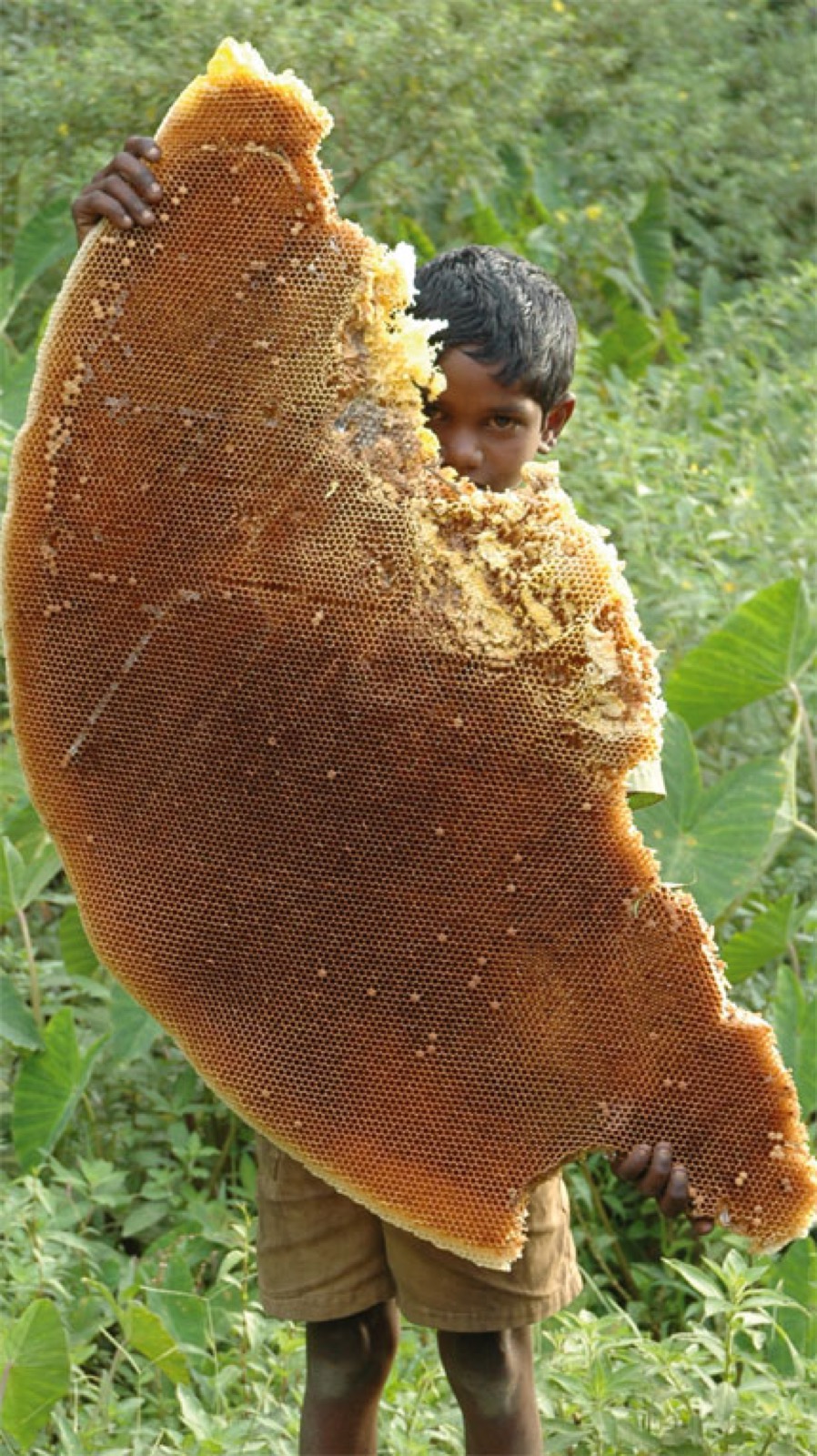
Kattunayakan
Known as skilled honey harvesters , able to tell from the ground whether a hive 60–80 feet up is worth the climb. The Kattunayakan have an egalitarian way of life and are the most recent of the four communities to gain access to formal schooling.
-
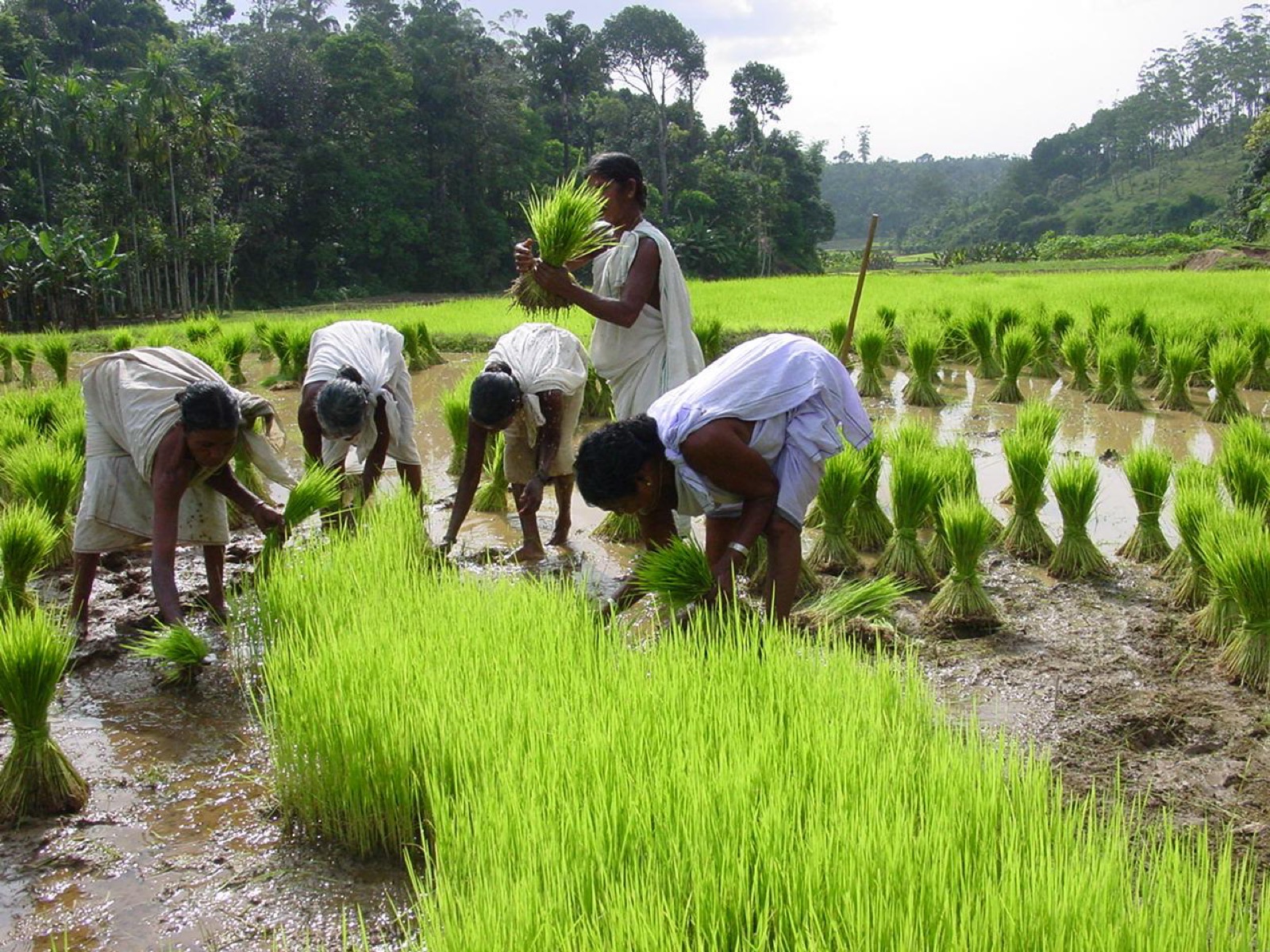
Mullakurumba
Known for hunting and agriculture, the Mullakurumba were the first of the four communities to own land, and are governed by a council of elders.
-
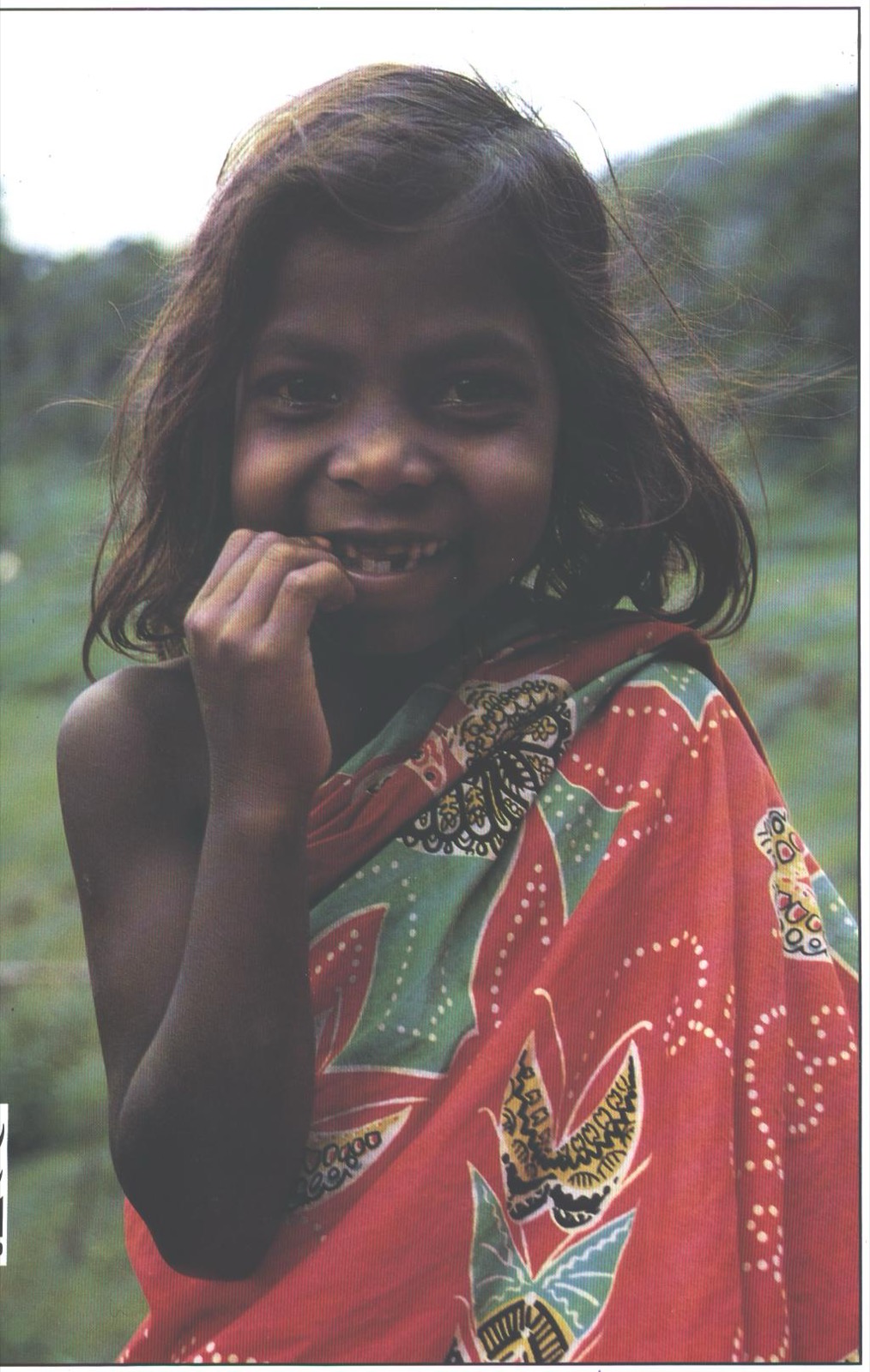
Paniya
The largest of the four communities, Paniya families were historically bound to agricultural labour. Today, most work as wage labourers across the valley.
Archival photo, early 2000s.
What guides us
Vision, Mission & Values
Vision
Adivasi communities shaping their own futures through education that is rooted in their culture, responsive to their context, and grounded in their collective aspirations.
Mission
To co-design an education directed by Adivasi communities, one that reflects children’s realities and aspirations. Through schools, hostels, village learning centres and teacher education, we hold education as a practice of freedom: strengthening identity, deepening connection, and enabling communities to shape their own futures.
Values
Our work is guided by respect for nature, compassion for one another, and a commitment to equality and sharing, shaped by dialogue. These values help build not only learning spaces but also an organisation where everyone feels valued and connected.
Our approach
Community-led Adivasi education
Vidyodaya grew from conversations with Adivasi families, teachers and community leaders who believed education should strengthen, rather than replace, a child’s connection to their community. These principles continue to shape our work today.
Rooted in culture
Education begins with the lives of children and their communities. Adivasi language, knowledge, history and cultural traditions are valued as an important part of learning and identity.
Owned by the community
From village education committees to the governing board, Adivasi community members play a central role in shaping decisions and guiding the institution’s future.
Learning through participation
Learning is not limited to textbooks and examinations. Work, craft, play, creativity and community life are all part of the experience. As one guiding principle puts it: “Freedom with discipline, joy with industry.”
Our journey
From one school to a community’s own
- 1991
A school begins
“You are supposed to be teachers and you don’t send your children to school?!” the local community asked, when Rama Sastry and B. Ramdas pulled their own children out of school to teach them at home. That was the beginning.
- 1993
Registered as a trust
Viswa Bharati Vidyodaya Trust is formally registered.
- 1995
A community asks
At a five-day Mahasabha, Adivasi elders ask together: where were we, where are we, where do we need to go. The clear ask is for an Adivasi-owned school.
- 1996
The first Adivasi children
The first batch of Adivasi children joins the school, and the work of becoming a community-owned school begins.
- 1997
Teachers from the community
The first teacher-education programme for Adivasi youth begins.
- 2000
Into the villages
The Community Education programme starts, helping children in the villages access government schools.
- Through the years
A school takes root
The school is strengthened, offering a modern education rooted in Adivasi culture.
- 2013
An Adivasi principal
An Adivasi teacher becomes the principal of the school.
- 2019
A home near school
The hostel programme begins with Fathima School in Gudalur.
- 2023
Land for a campus
Land is acquired for the new Education Campus.
- 2025
Led by Adivasis
Both the Chief Functionary and the Managing Trustee are now from the Adivasi community.
“My community gave me something. I am an M.Sc. graduate because of so many helping hands. I have to come back to pay it back. If one or two people see me and think ‘I can also do this’ — that will be enough.”
An integrated ecosystem
Our sister organisations
In Gudalur, education, health, livelihoods and conservation grow together, all rooted in Adivasi community ownership and participation.
Adivasi Munnetra Sangam (AMS)
The community federation that anchors the whole ecosystem, started in 1988, representing Adivasi villages across Gudalur and holding it in community ownership.
ACCORD
Builds livelihoods and community institutions, ensuring that the Adivasis participate in mainstream society on their own terms with dignity and pride.
VisitASHWINI
Community-owned health care, from village health workers to the Gudalur Adivasi Hospital.
VisitThe Real Elephant Collective
A creative enterprise turning invasive Lantana and Senna wood into crafts and dignified livelihoods for forest-fringe communities.
VisitOne All
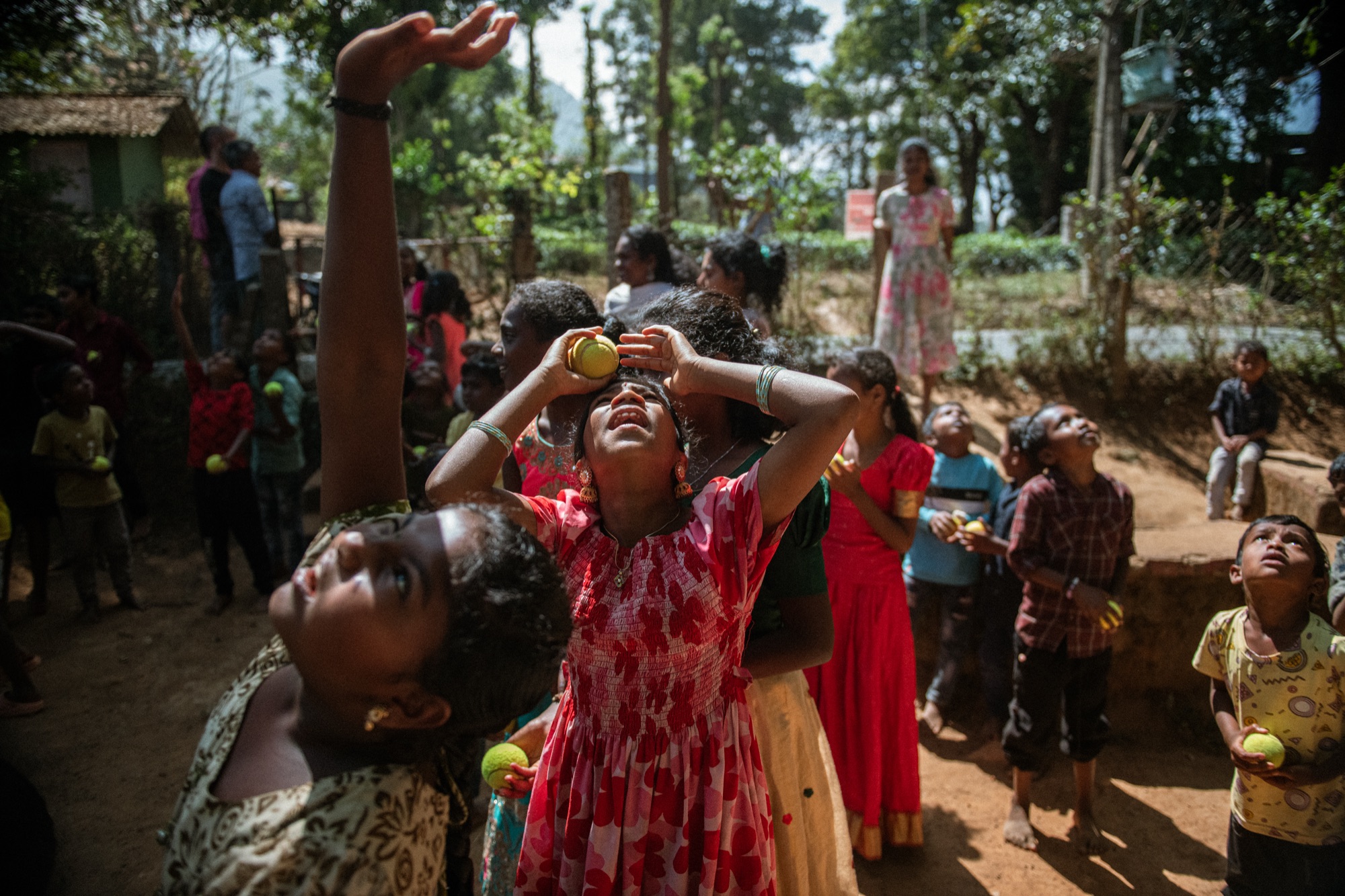
Helping adolescents grow into leaders and role models in their communities through ultimate frisbee.
VisitStand with the children of the Nilgiris
Your support keeps a child in school, a teacher in the village, and a future within reach.