Vidyodaya 2.0
A structural shift in Adivasi education
A model Adivasi-led KG to 12 residential school, certified Adivasi educators working inside both community and mainstream schools, and improving the quality of education by reclaiming villages as sites of learning. Over the next 20 years, we aim to reach 9,000+ Adivasi children and youth, and nurture 150+ certified community teachers.
The Challenge
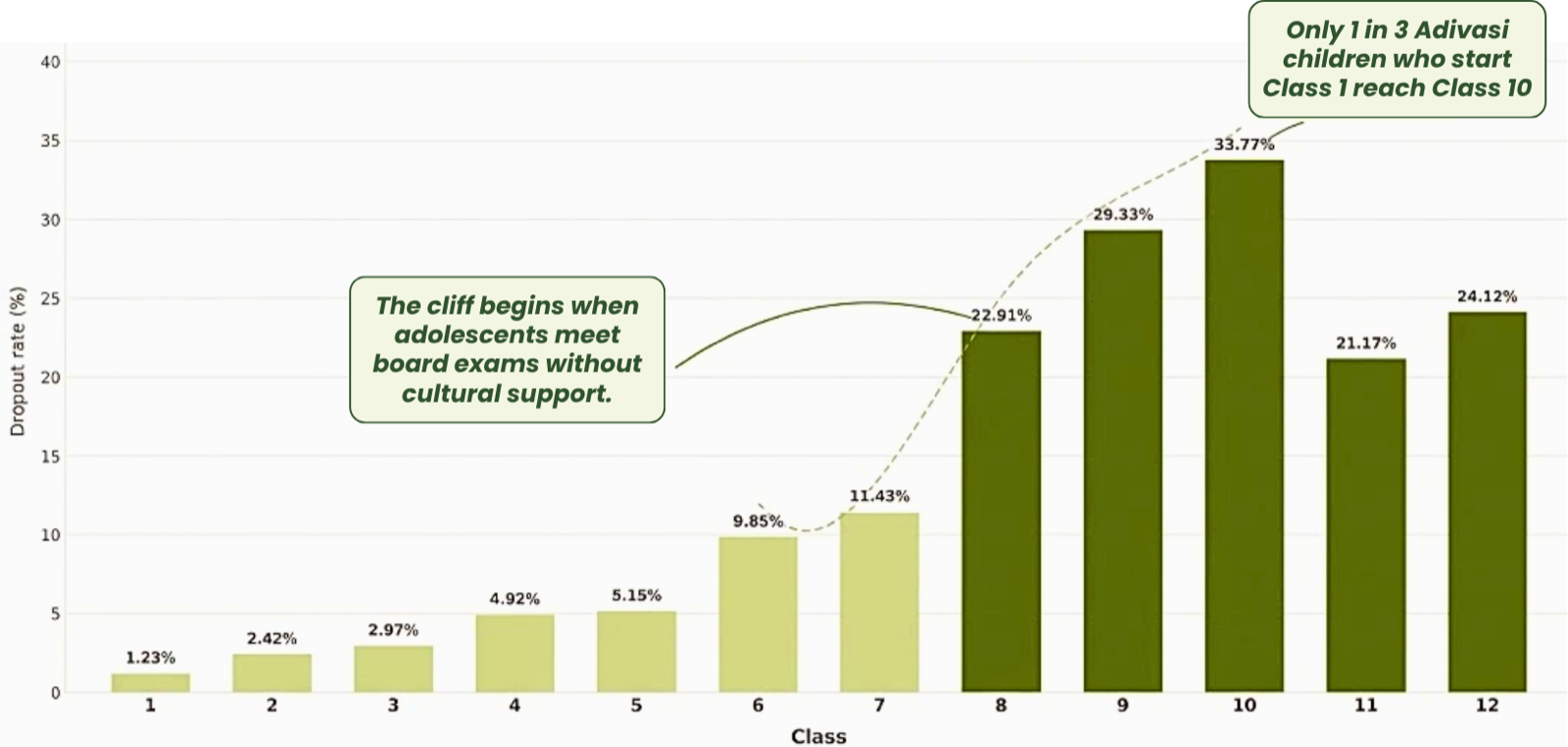
Only 1 in 3 Adivasi children who start Class 1 reach Class 10.
The Adivasi school currently goes only up to primary, so after that, children move into mainstream schools. There, cultural disconnects persist, learning is weak from early grades, and Adivasi resource teachers lack the credentials to teach.
“When I was in school, up to Class 8, the teacher would just read aloud from the book. He never asked if we understood. My brother is in Class 9 but reads at Class 1 level, and not just him. The other kids from our village too.” — An Adivasi youth
This is not a failure of individual children. It is a structural failure to make schooling meaningful for communities whose knowledge and ways of learning are systematically excluded. Recent participatory community research provides guidance on responding to these challenges.
Strategic Shift
Three interconnected parts
When VBVT began, the priority was simple: get Adivasi children into school, and keep them there. That work succeeded, but two problems remained. The quality of mainstream schooling for Adivasi children stayed poor. And Adivasi culture, knowledge and values still had no real place in the mainstream curriculum, even as outright discrimination declined.
A model Adivasi-led KG–12 residential school
Giving children a place where quality education and culture are no longer in tension.
Certified Adivasi Educators
Who shape both community and mainstream education systems, carrying what works at Vidyodaya into schools beyond it.
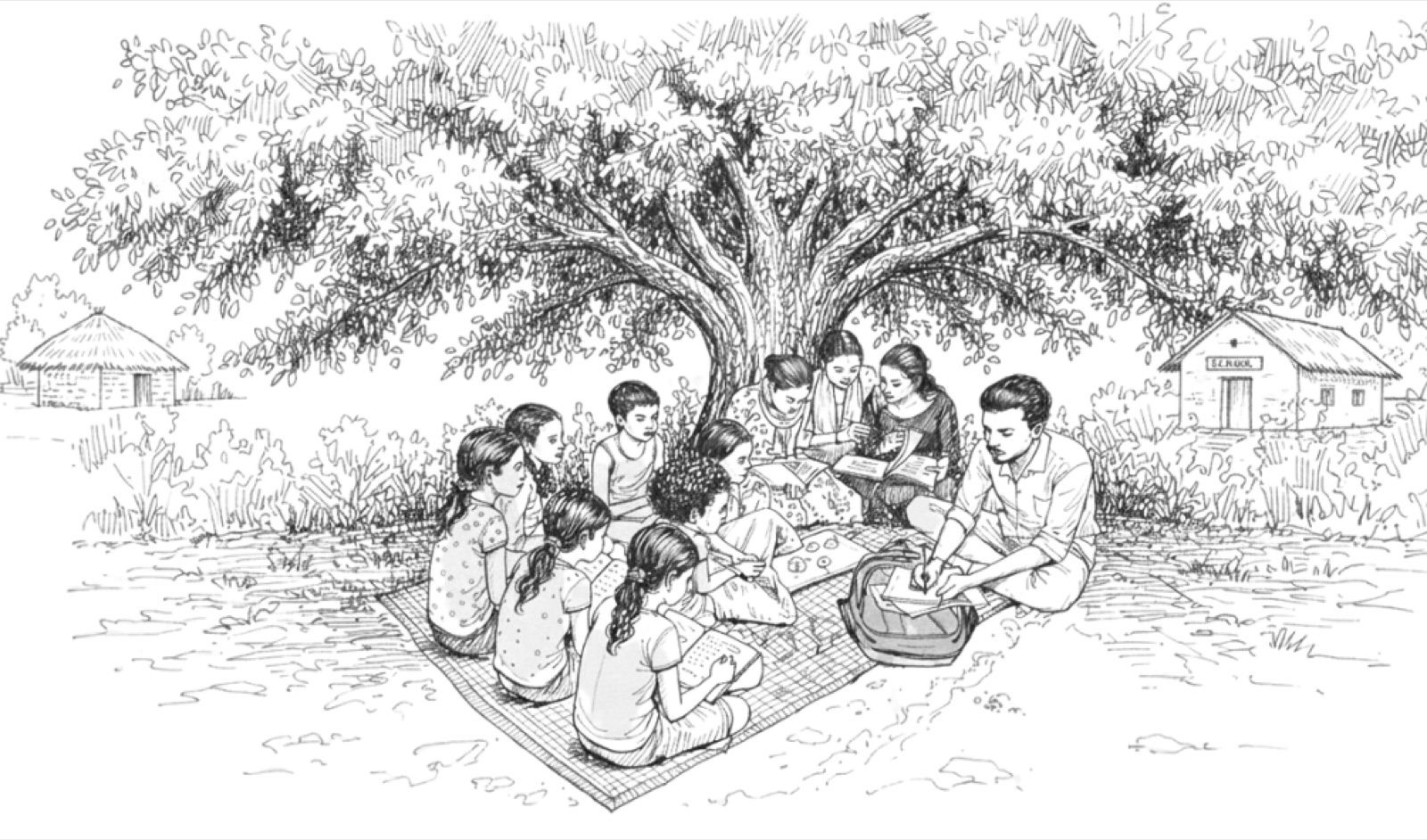
Reclaim villages as sites of learning
Improving the quality of education for children in government schools, through learning centres, camps and community-led attendance support.
“Our people have knowledge accumulated over generations, they are intelligent, wise, but we don’t take it forward… These teachers must be Adivasis, and then we can see the change.” — Community member, from participatory research conducted by IIHS
“A movement can only take the child to the classroom, but we need to change the mindset of the teacher for a true revolution.” — Amman Madan, Azim Premji University
Why a New Campus
Lack of compliant space
A proven model, ready to grow
Thirty years of community-led learning have shown what works. A campus lets it reach further, and go deeper.
Outgrowing the current building
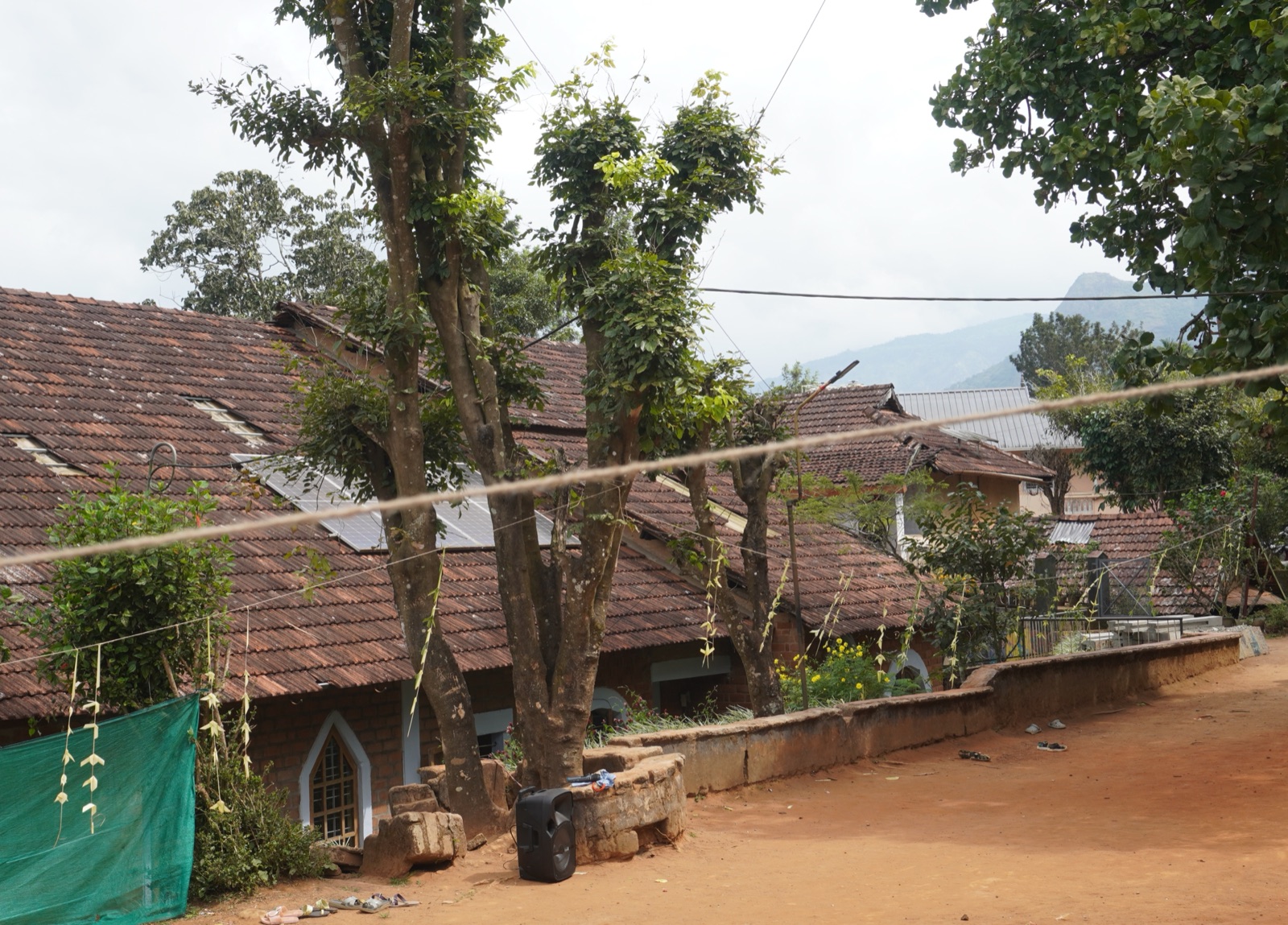
Vidyodaya’s current school operates from a leased building, now 35 years old, that cannot meet the space and compliance requirements to grow beyond primary classes.
Distance ends too many journeys
It’s harder still for children from villages deep inside the forest, or with little support at home. Without a safe place to stay, learning quietly stops, and a child’s path narrows.
“We want to build places of dignity, not poor, temporary solutions, but spaces where any Adivasi child would want to go, where they feel they belong.” — B. Ramdas, co-founder, VBVT
The New Campus
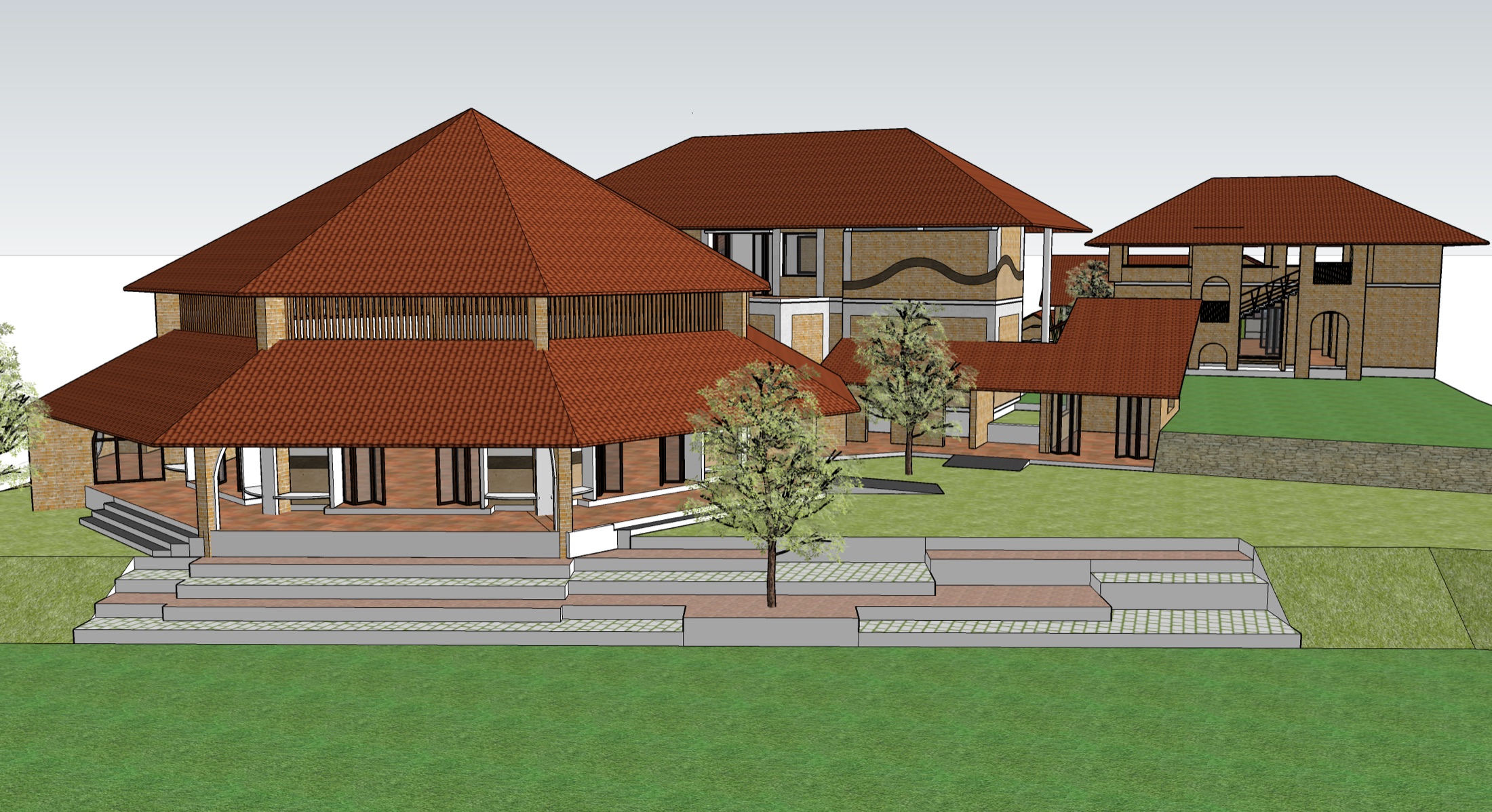
A campus that grows with the child
A residential campus for children aged 4 to 18, so no child has to face a school transition alone, or far from the places and people who have shaped who they are.
| Programme | Makes possible |
|---|---|
| Residential school (KG–12) | Library, computer lab, hall, hostels, vocational pathways for Classes 11–12 |
| Teacher education | Practical, on-site training and certification for Adivasi educators and those interested in Adivasi education and culture |
| Adivasi Resource Center | A learning hub serving 320 villages and 95+ local schools, open to the public |
A cornerstone with capacity to reach 9,000+ learners over the next 20 years.
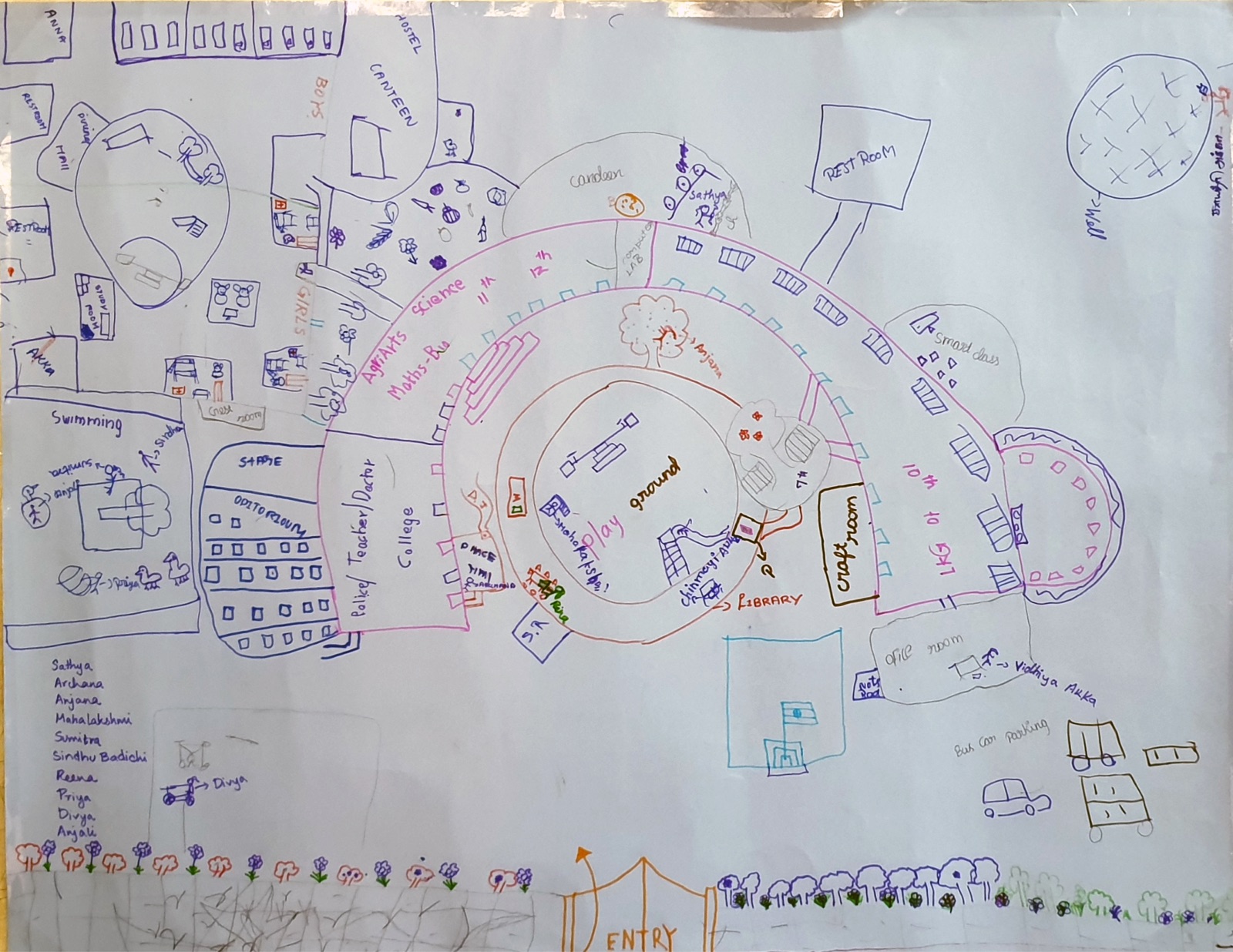
Designed With the Community
A school the community drew
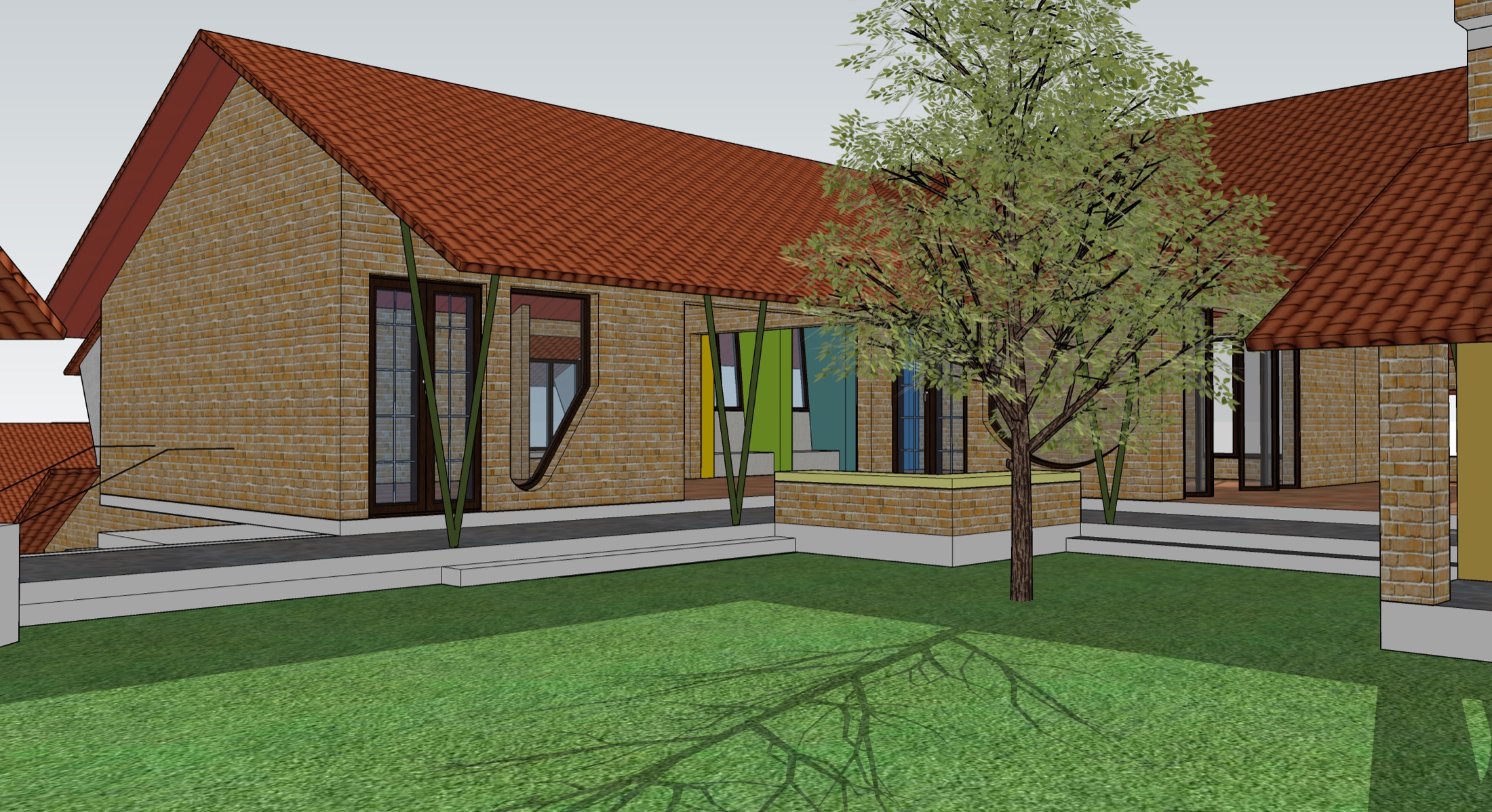
The campus was designed with the community, not just for it. Workshops were held with the children and adults to imagine their dream school, and zoning workshops with the staff mapped how people really move and learn. The design grew from what they said.
Connection
Spaces that connect — visually and physically.
Green & outdoors
Lots of outdoor space, and green everywhere.
A tree in every classroom
Learning in the lap of nature.
Shared & multi-use
Spaces that are usable, multifunctional and communal.
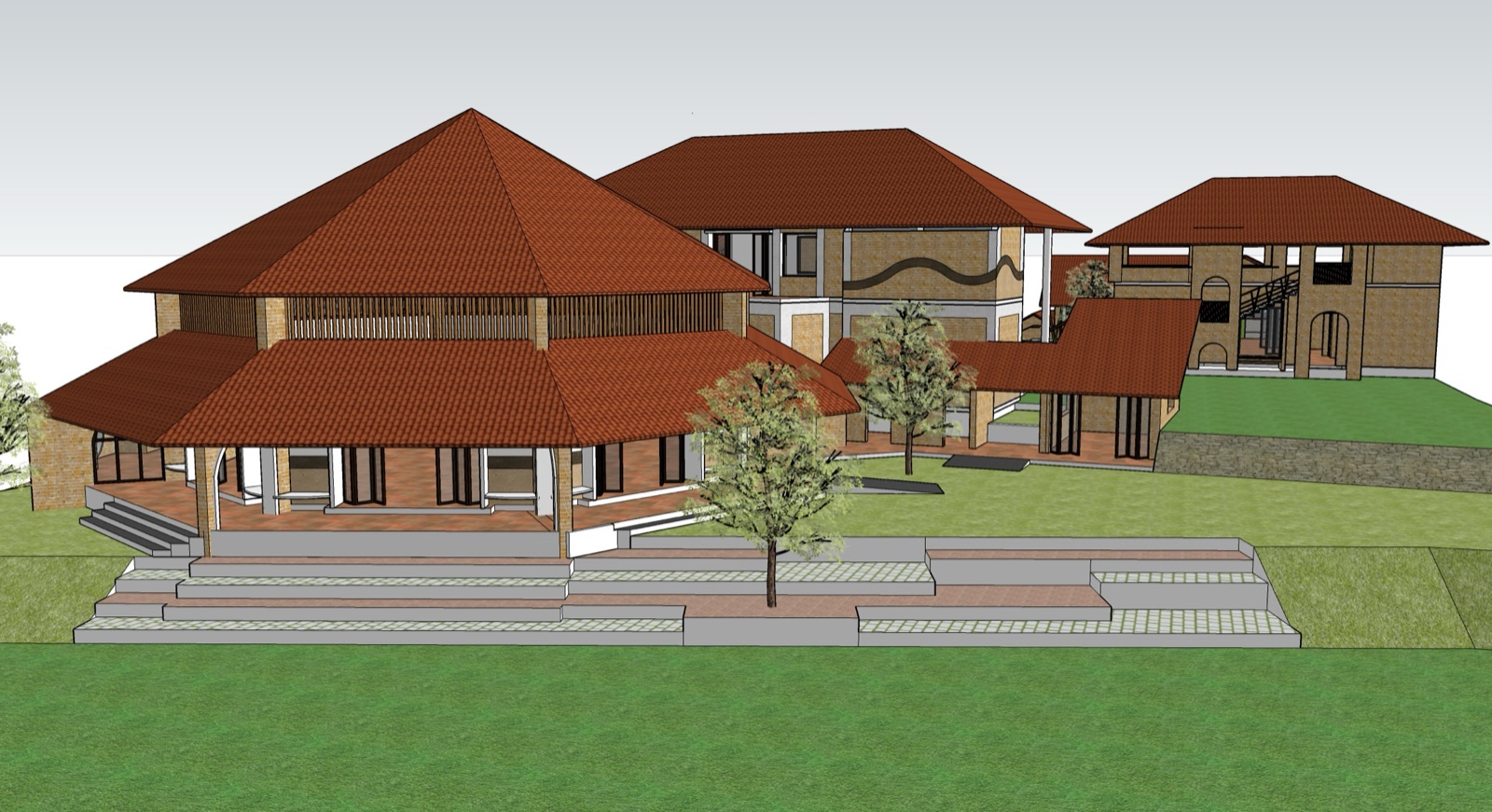
Inside the design
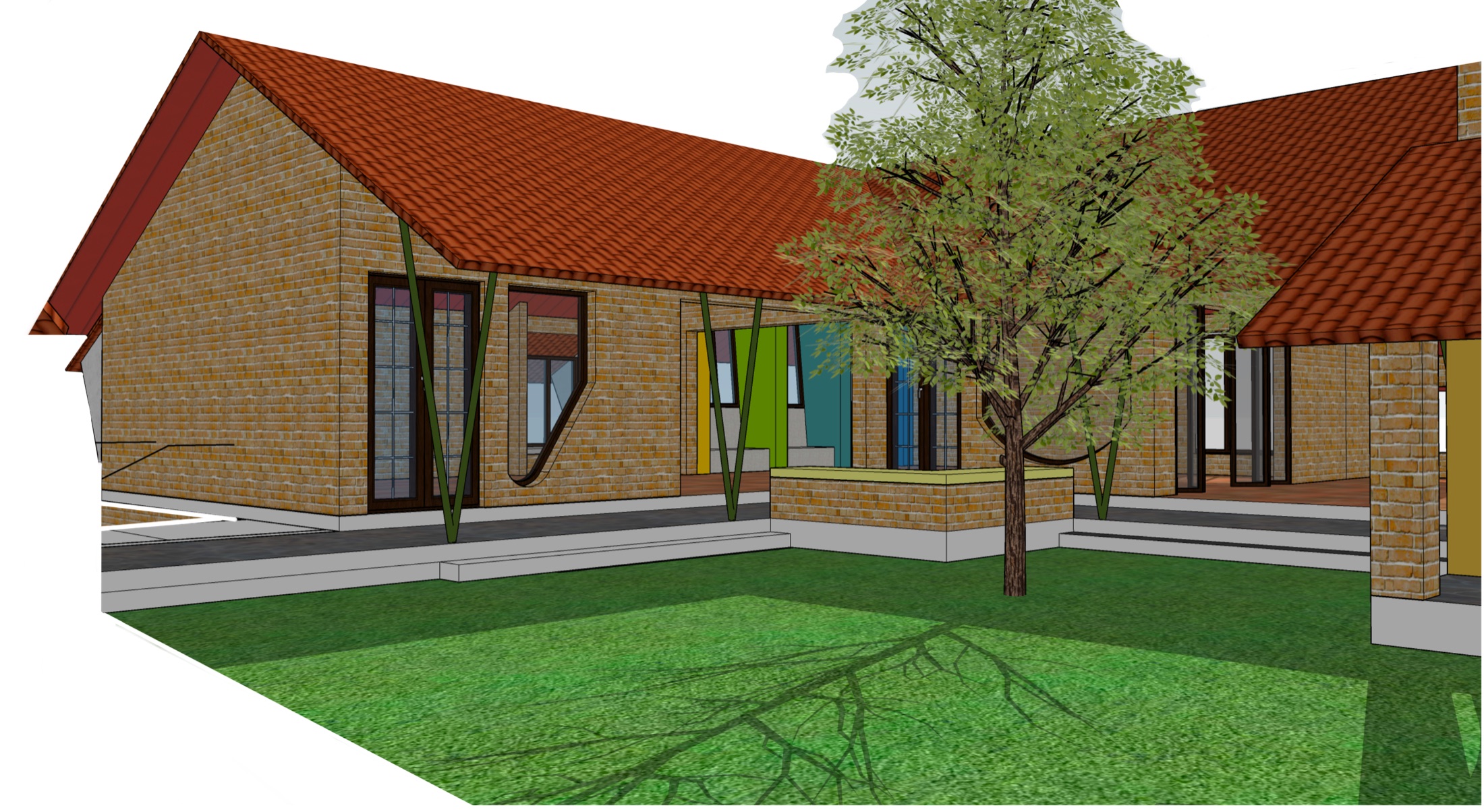
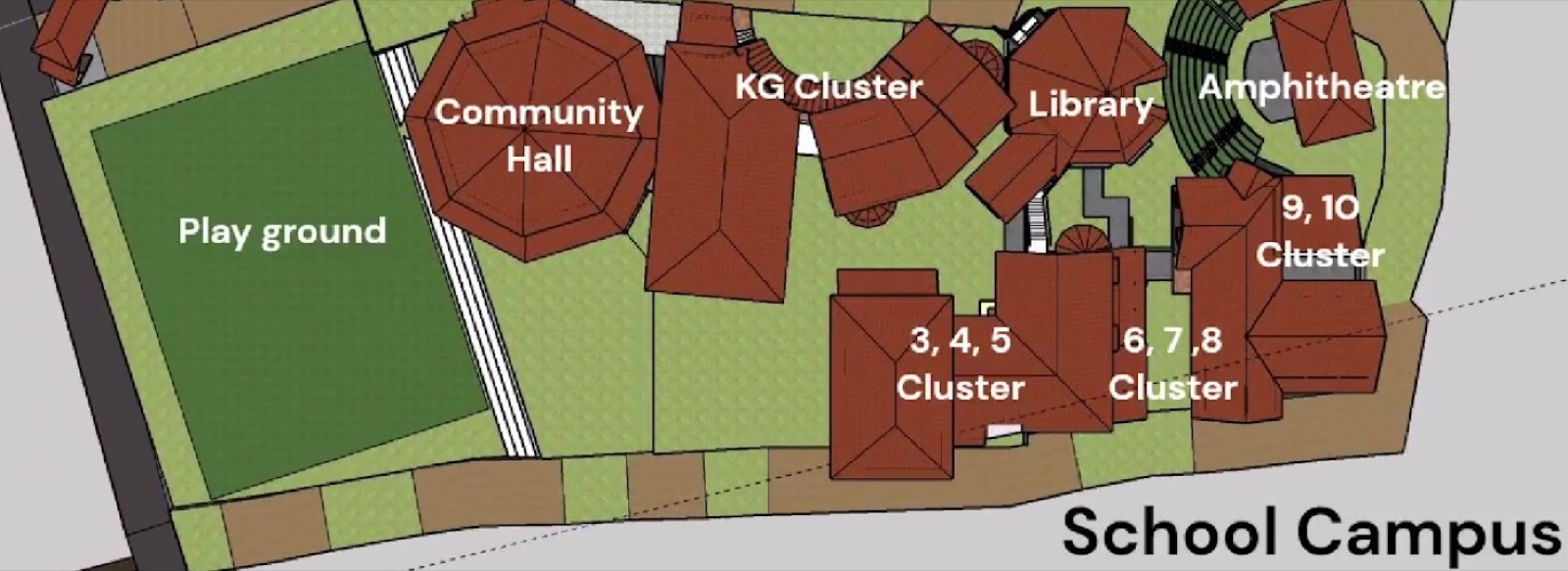
- Classrooms grouped into clusters, each built around a tree
- A large open playground that welcomes children right at the entrance
- Solar panels on every roof — a campus that aims to be self-sufficient
- Built from local, natural materials such as lantana wood and more
- The building itself used as a learning material
- Every class with direct access to an outdoor learning space
- A series of interconnected green pockets throughout the site
Where We Are
- Land secured2023
- Building permissions receivedMarch 2026
- Construction started2026
- Doors open to childrenJune 2028
Interested in supporting this work? Get in touch. We’d love to talk you through where things stand and how you can help.