

A child, and a village
Sangeetha, and the village that asked for nothing
One child from a forest village changed what a whole community believed was possible.
Mundakunnu is a small Kattunayakan village deep in the forests of Gudalur. For a long time, almost no one from this village stepped out to study. Life revolved around the forest and, later, daily labour.
The Kattunayakan had once lived fully within the forest, moving with the seasons, gathering honey, roots, fruits and small game. Over time, that life was disrupted. Forest access was cut off, plantations replaced forest paths, and families were pushed to settle near estates and roads. Along with the loss of forest came a loss of confidence in their own way of life. Schools, hospitals and offices felt distant and intimidating, not just because they were unfamiliar, but because of a growing sense that their own community no longer mattered in the new order.
Health conditions in Mundakunnu were severe: scabies and malnutrition were widespread. And yet the village did not ask for anything. It is difficult to work with a village that is asking for change; it is far more difficult to work with a village that does not want anything at all.
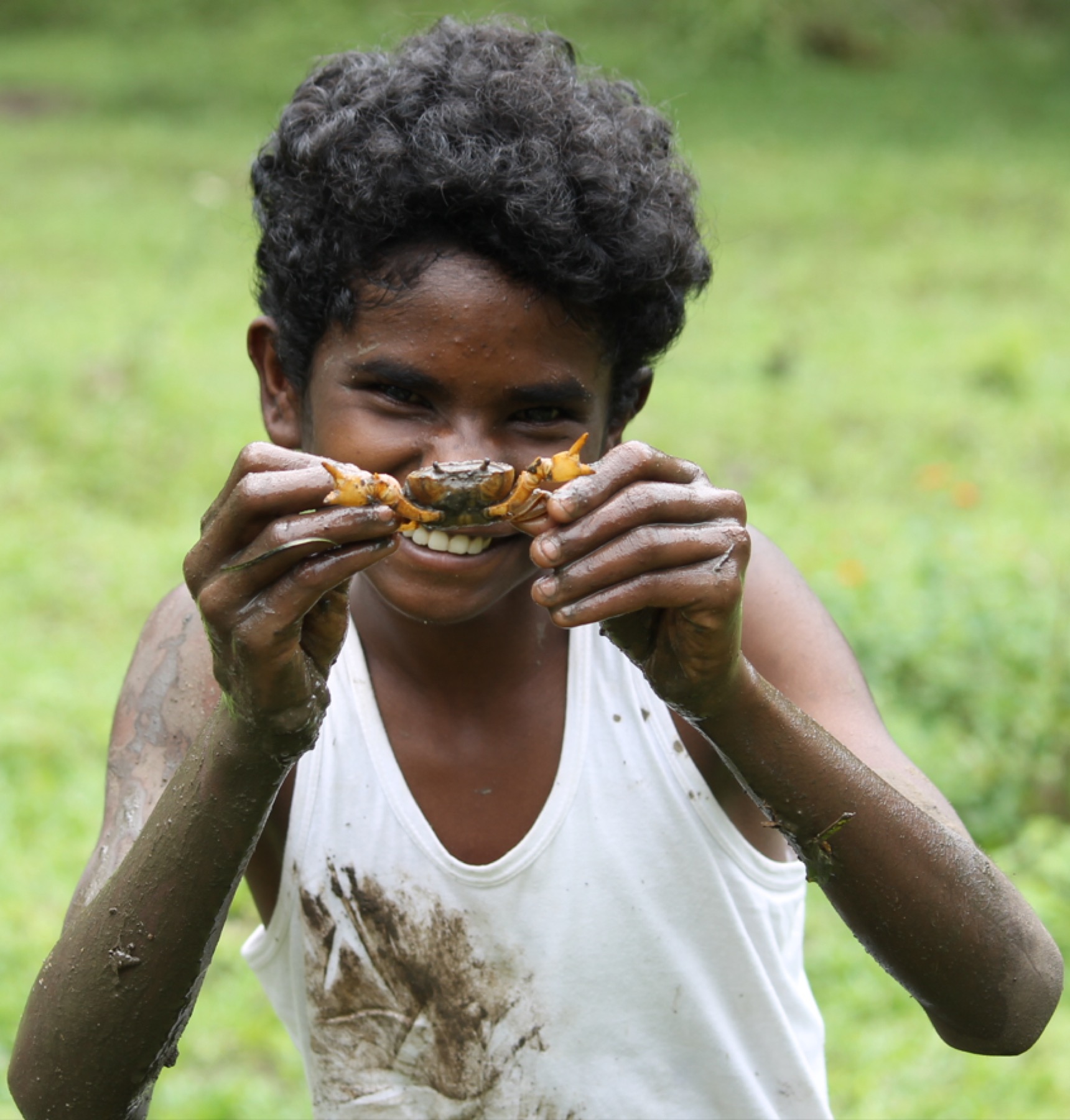
For nearly a year, Vidyodaya’s educators visited Mundakunnu, week after week, sitting with parents and elders, returning even when met with reluctance. Progress was slow.
Then one child stepped forward. Sangeetha agreed to join a residential programme run by Vidyodaya. She left the village and began schooling at the age of ten. She stayed, studied, and went on to complete Class 8. For the village, what mattered wasn’t just that one child went to school. It was that she came back with confidence. Because of Sangeetha, her brothers and sister came forward to study too.
Soon after, a government schooling programme extended to the village itself, and to neighbouring Kozhikolly. Children who once stayed home began walking the school path.
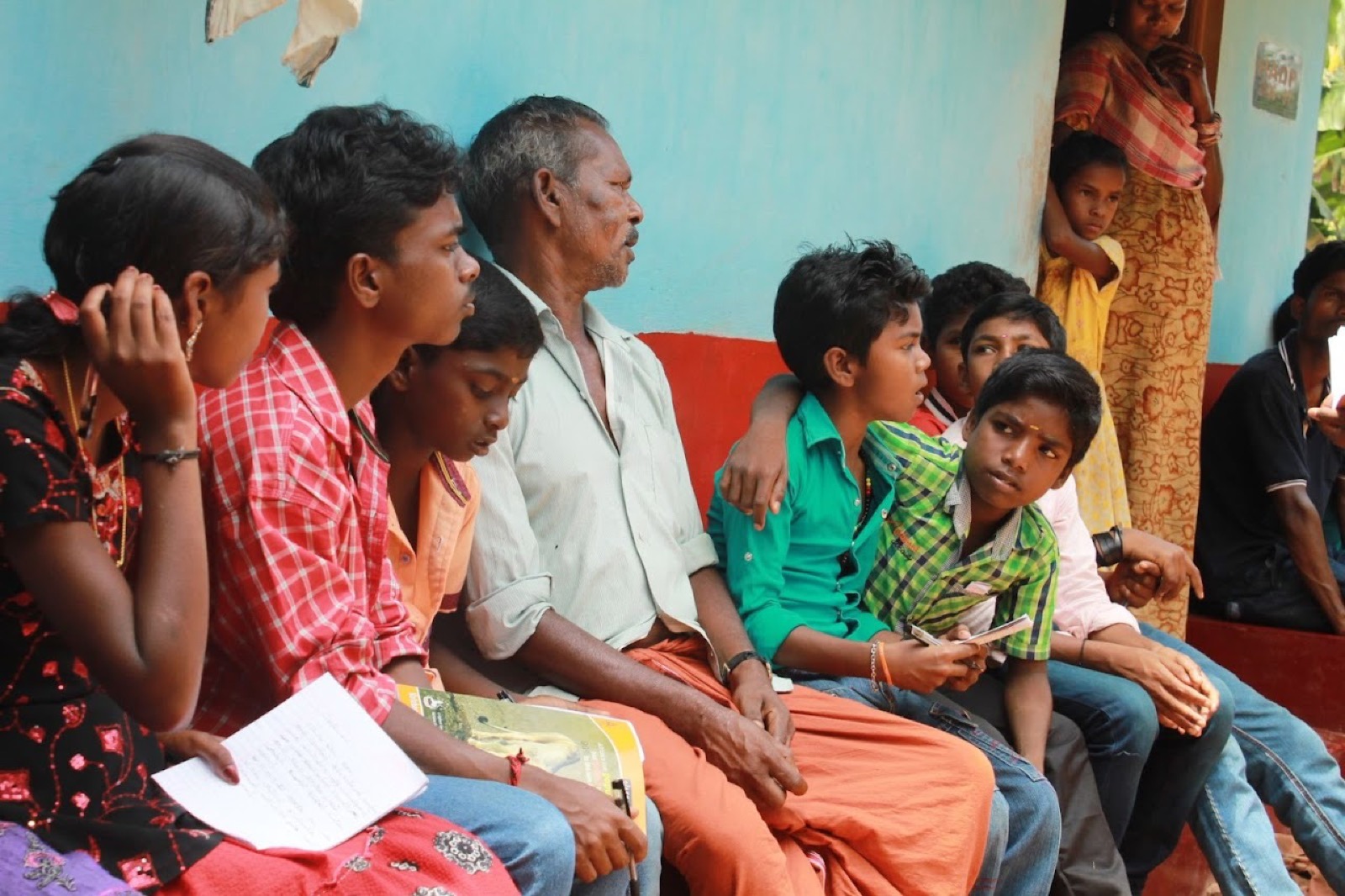
Shaped by her own experience, Sangeetha chose to study nursing, completing her Auxiliary Nurse Midwife training at Gudalur Adivasi Hospital. It showed the village that education could lead to work that served people like them, that learning did not mean leaving one’s community behind.
Today, parents from Mundakunnu point their children toward educators and say, “Go there.” The village that once did not want anything now knows what it can ask for.
Help the next child step forward
Your support keeps a child in school, a teacher in the village, and a future within reach.